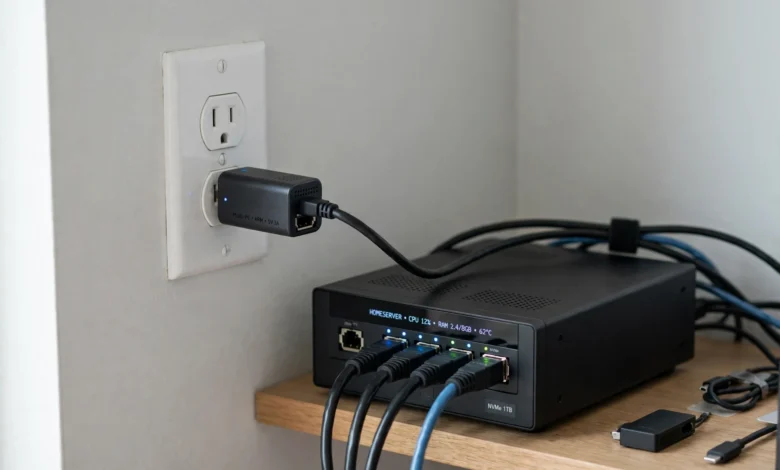
Plugbox Linux was a version of Arch Linux made for plug computers: small, low-power computers that plug directly into a wall socket. It brought the rolling-release, do-it-yourself approach of Arch Linux to ARM devices such as the SheevaPlug, at a time when most small computers ran a fixed, manufacturer-supplied system.
Although Plugbox Linux is no longer actively developed, it remains an interesting part of Linux history. It showed that a tiny, always-on computer could run a full, flexible Linux system, and it helped pave the way for the small single-board computers and home servers that are common today.
What Is a Plug Computer?
A plug computer is a complete computer built into a power-adapter-sized case. Instead of a monitor, keyboard, and large box, it offers a processor, memory, storage, and network connections in a device that draws very little power. The best-known example was the SheevaPlug, based on an ARM processor, with Ethernet and USB ports for storage and other devices.
Because plug computers were small, quiet, and cheap to run, people used them as home servers, file servers, media servers, download boxes, and network tools. They could stay switched on all day and night without the cost or noise of a full desktop computer.
How Plugbox Linux Worked
Plugbox Linux followed Arch Linux principles: a minimal base system, rolling updates, and a package manager that let users add only what they needed. Users started with a small installation and built it up for their own purpose, whether that was a simple file server or a more complete home server.
- ARM support: It was built for ARM plug computers, rather than the x86 processors used in most desktops and laptops of the time.
- Rolling release: Software was updated continuously, instead of through occasional major version upgrades.
- Minimal base: The starting system was small, so users could keep it lean and add only the packages they wanted.
- Command-line focus: Like Arch Linux, it was aimed at users who were comfortable setting up and managing a system from the terminal.
What Could You Do With It?
Plugbox Linux turned a plug computer into a useful, always-on server. Common uses included file sharing on a home network, running a personal web server, managing downloads, backing up other computers, and hosting small network services. Because the device used so little power, it could handle these jobs around the clock.
For hobbyists and developers, it was also a way to learn about ARM Linux, embedded systems, and server administration on inexpensive hardware. That hands-on character was part of its appeal: users were expected to understand and shape the system themselves.
What Happened to Plugbox Linux?
Plugbox Linux gradually faded as the hardware it targeted became less common and the wider ARM Linux world moved on. Plug computers themselves were overtaken by cheaper, more flexible single-board computers and small home-server devices, which offered more ports, more community support, and easier setup.
At the same time, the Arch Linux ARM project grew into the main route for running Arch-style Linux on ARM devices. It covered a much wider range of hardware than plug computers alone, so there was less reason to maintain a separate distribution focused only on plug computers.
What Replaced It?
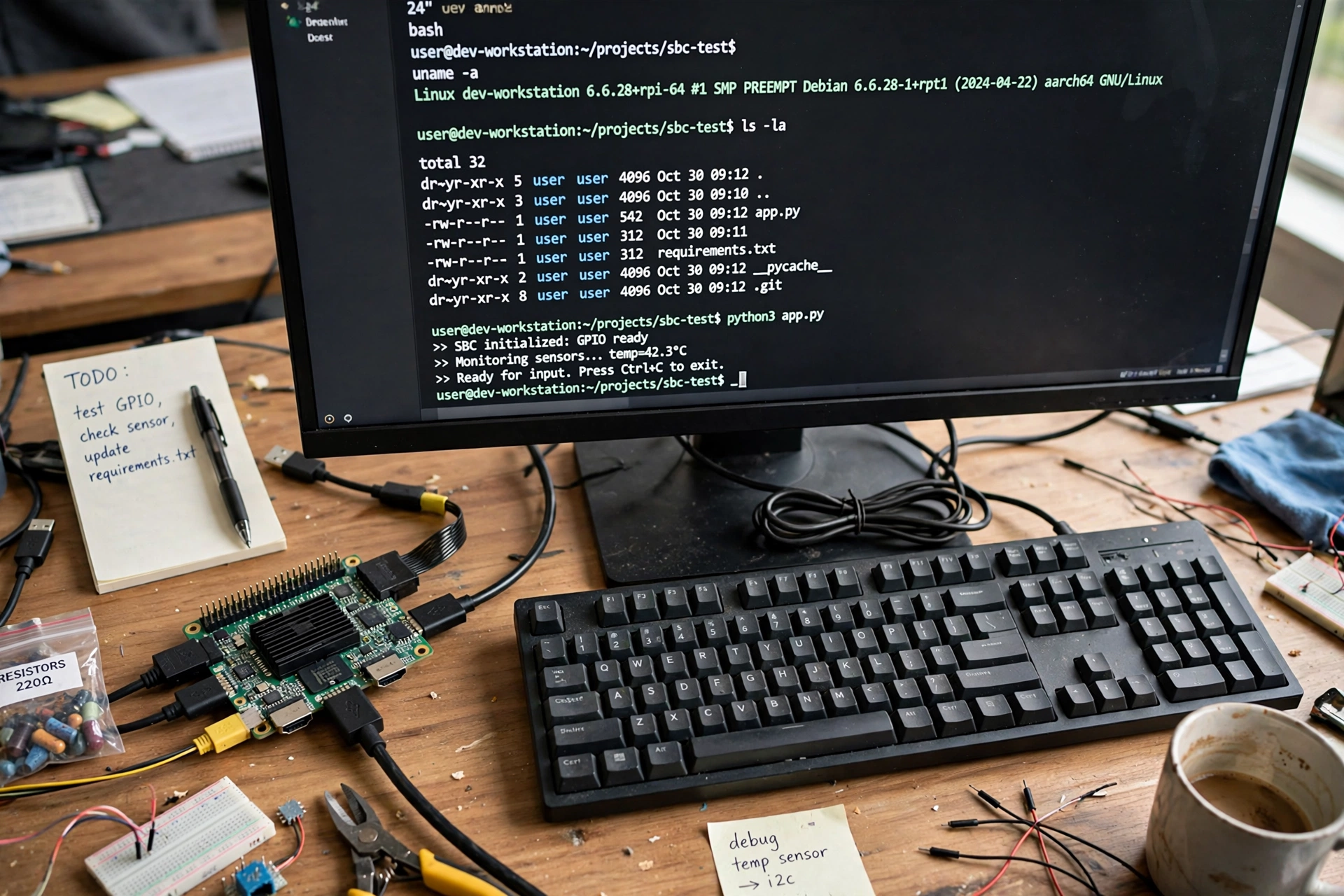
For most users today, the closest modern equivalents are Arch Linux ARM and other lightweight ARM distributions, along with small-board systems that can run a full Linux server. A modern single-board computer can do everything a plug computer once did, and usually more, with better storage, networking, and community documentation.
Other lightweight Linux distributions for servers and embedded devices also fill the same niche. The key idea has not changed: a small, low-power device can be a reliable home server if it runs a lean, well-maintained system.
Should You Still Use Plugbox Linux?
Plugbox Linux is best treated as a historical project rather than a system to install today. Its packages and hardware support are outdated, and modern alternatives are safer, better maintained, and easier to use. If you have an old plug computer, a current ARM distribution is a more sensible choice, if the device is supported at all.
That said, Plugbox Linux is still worth knowing about. It was an early example of bringing a respected desktop Linux philosophy to tiny ARM hardware, and it helped show that small computers did not have to run a locked-down, manufacturer-only system.
Frequently Asked Questions
What was Plugbox Linux?
Plugbox Linux was an Arch Linux port for ARM plug computers, such as the SheevaPlug. It provided a minimal, rolling-release Linux system for small, low-power, always-on devices.
Was Plugbox Linux the same as Arch Linux?
No. It followed Arch Linux principles and used a similar approach, but it was built specifically for ARM plug computers, whereas standard Arch Linux at the time was aimed mainly at x86 computers.
Is Plugbox Linux still maintained?
No. It is no longer actively developed. Arch Linux ARM and other modern ARM distributions are the usual alternatives today.
Can I still run Linux on a plug computer?
That depends on the device. Some older plug computers may still run a lightweight Linux system, but support is limited. For most home-server projects today, a modern single-board computer is a better starting point.
Related Reading